
Optimal Times for Shrub Trimming
Proper timing for shrub trimmings is essential for maintaining healthy and attractive plants. The optimal period varies depending on the type of shrub and local climate conditions, but generally, late winter to early spring and late summer to early fall are considered ideal times for trimming. These periods allow shrubs to recover quickly and promote vigorous growth.
Trimming in early spring encourages new growth and helps shape shrubs before the active growing season begins.
Late summer trimming can help control size and shape, and remove dead or damaged branches before winter.
Trimming during winter can expose shrubs to cold damage and hinder recovery, especially in colder climates.
Understanding the growth cycle of specific shrubs helps determine the best trimming window for optimal results.
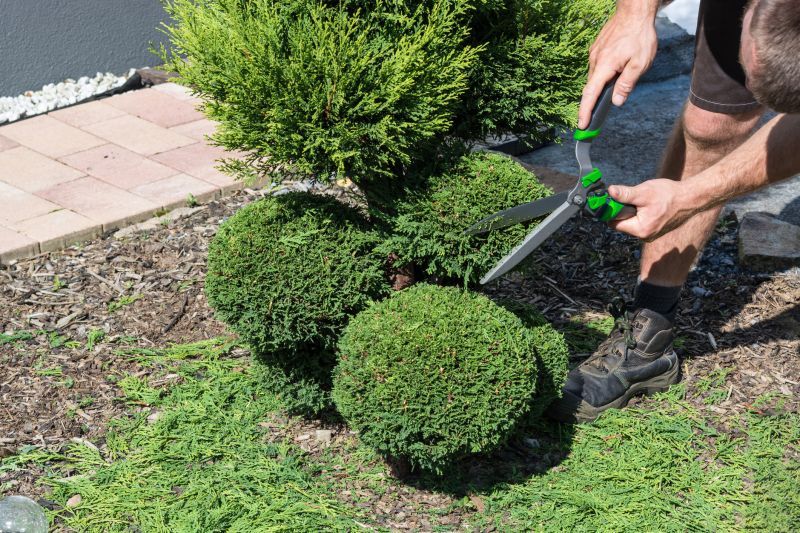
Pruning before new growth starts promotes healthy development.

Maintains shape and removes dead branches during peak growth.

Prepares shrubs for winter by removing damaged limbs.
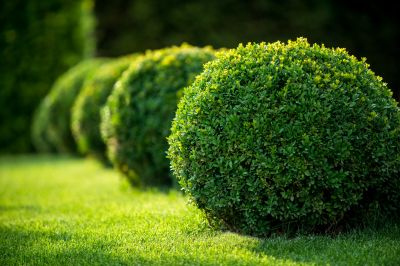
Ways to make Shrub Trimmings work in tight or awkward layouts.
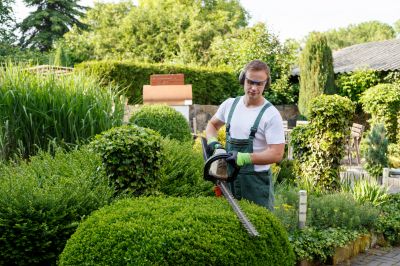
Popular materials for Shrub Trimmings and why they hold up over time.

Simple add-ons that improve Shrub Trimmings without blowing the budget.
| Shrub Type | Best Trimming Time |
|---|---|
| Azaleas | Early spring before flowering |
| Boxwoods | Late summer to early fall |
| Hydrangeas | Late winter or early spring |
| Roses | Late winter or early spring |
| Spireas | Spring or late summer |

Regular trimming ensures vigorous growth and maintains shape.

Use sharp, clean tools to minimize plant stress.

Adjust trimming practices based on the season and shrub type.
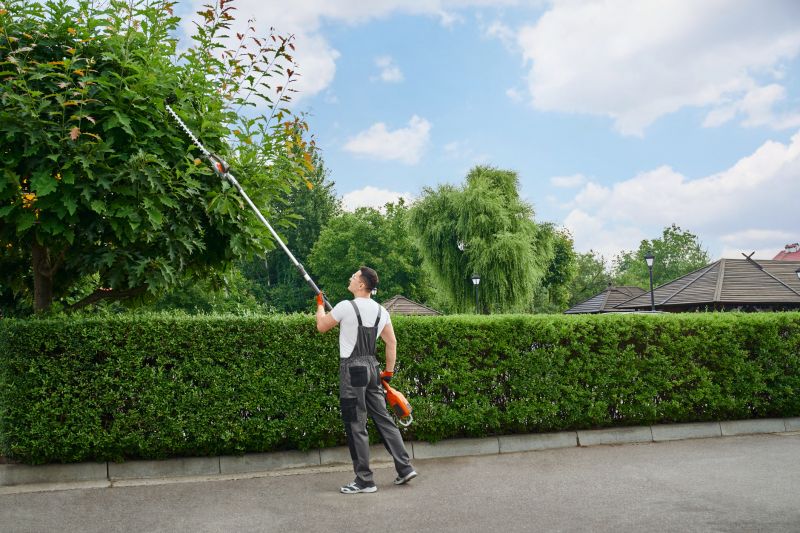
Water and fertilize to support recovery and growth.
Individuals interested in shrub trimmings services are encouraged to contact for more information. Proper timing and technique are key to maintaining healthy, attractive landscapes. Filling out the contact form can help schedule professional trimming to suit specific shrub needs and local climate conditions.